LV & MV Switchboards · Busducts · Automation · Energy Management
Email: mails@elinsswitchboards.com | Phone: +91 80 6187 9000 (Weekdays - 10 a.m. to 6 p.m.) | Download brochure ↓
Metros
Maintainable power for infrastructure that cannot pause.
Metro systems require robust distribution and control for stations, depots, utilities and operational support, with safe access for lifecycle maintenance.

In short
Elins engineers integrated LV and MV power distribution, control, automation and continuity solutions for metros, configured around critical loads, operating conditions, maintainability and future expansion.
What the environment demands
Metro infrastructure requires robust, maintainable power systems for stations, depots, utilities and operational support services. The electrical system must therefore be coordinated around critical loads, operating priorities, safe access and realistic growth scenarios.
How Elins supports the application
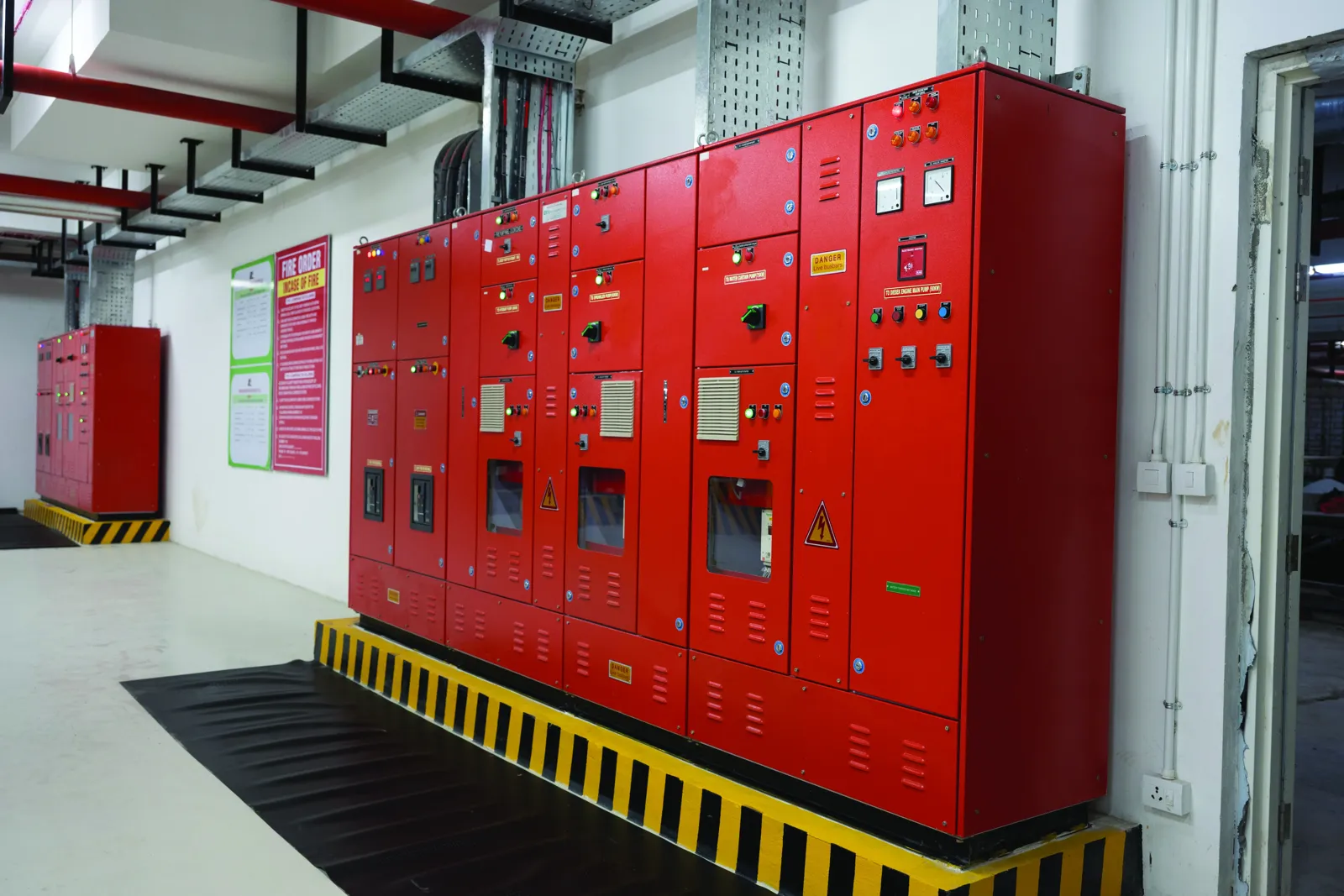
Distribution systems engineered for high utilisation
Motor control for ventilation, pumps and station services
Automation, alarms and central monitoring interfaces
Service support planned around limited maintenance windows
Engineering approach
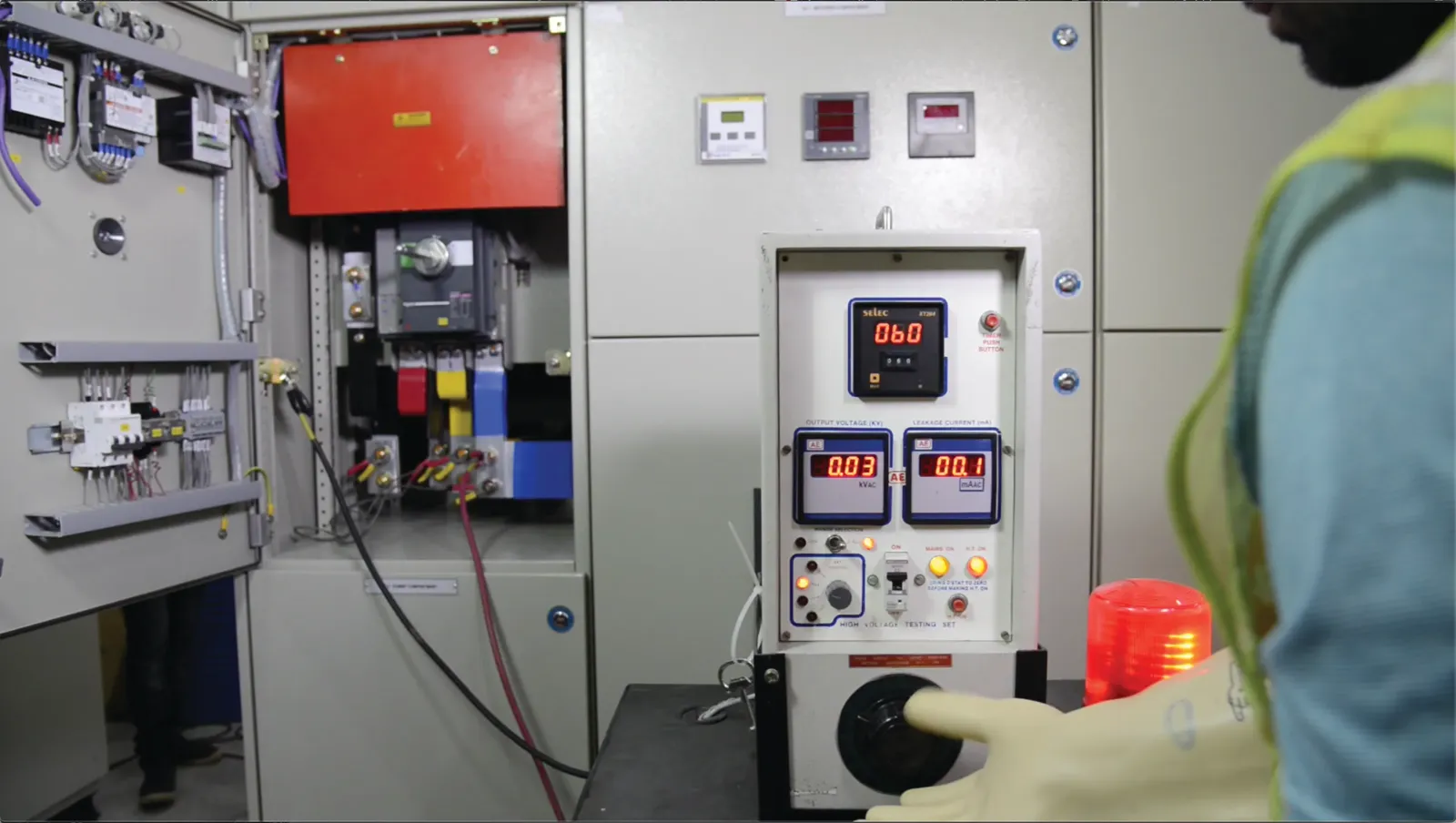
We begin with load understanding, protection coordination, equipment layouts, cable and busduct interfaces, maintainability and expansion planning. The solution is then manufactured, tested and documented through controlled processes.
Lifecycle value
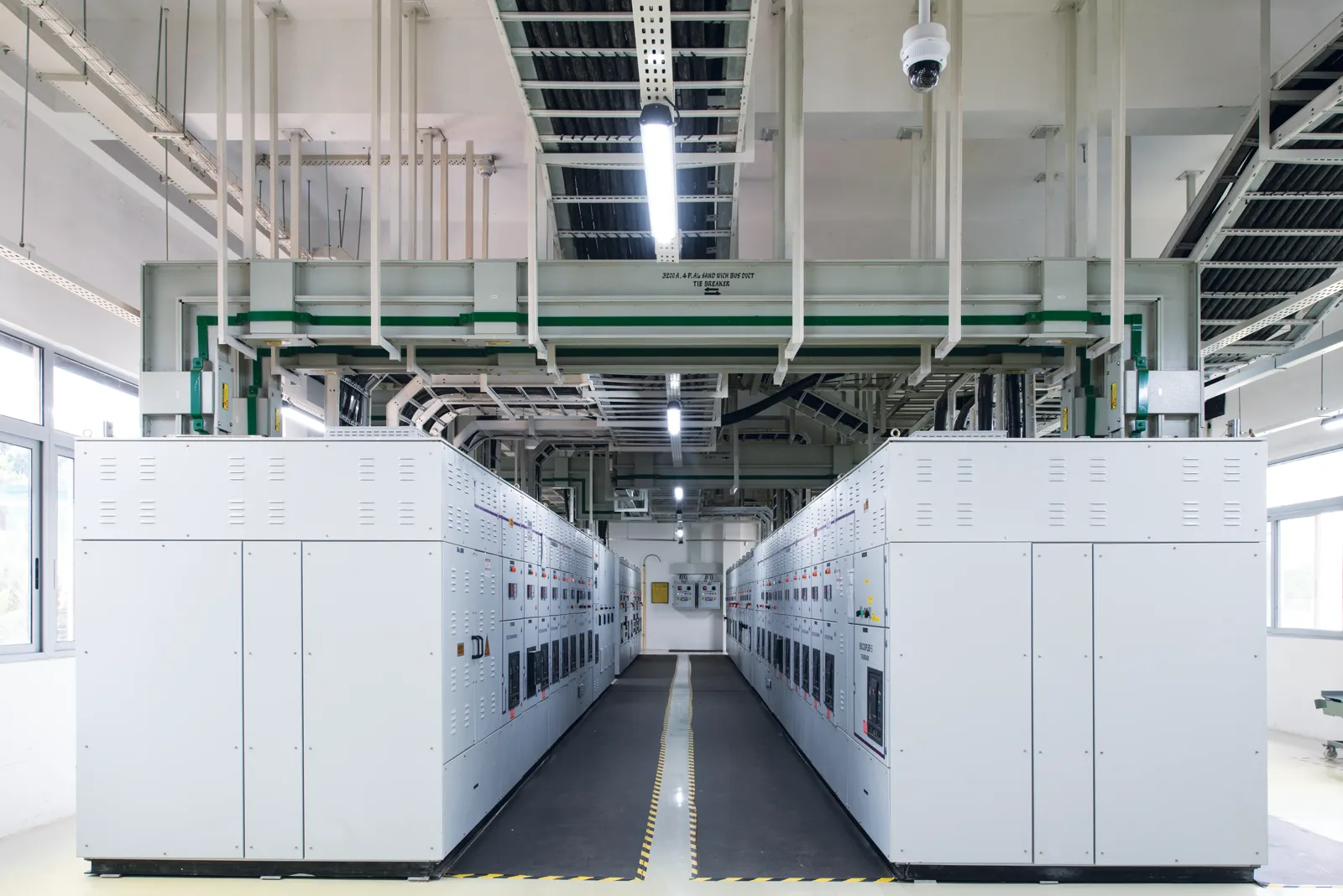
Preventive maintenance, diagnostics, testing, spare-parts planning and modernisation support help protect availability long after commissioning.
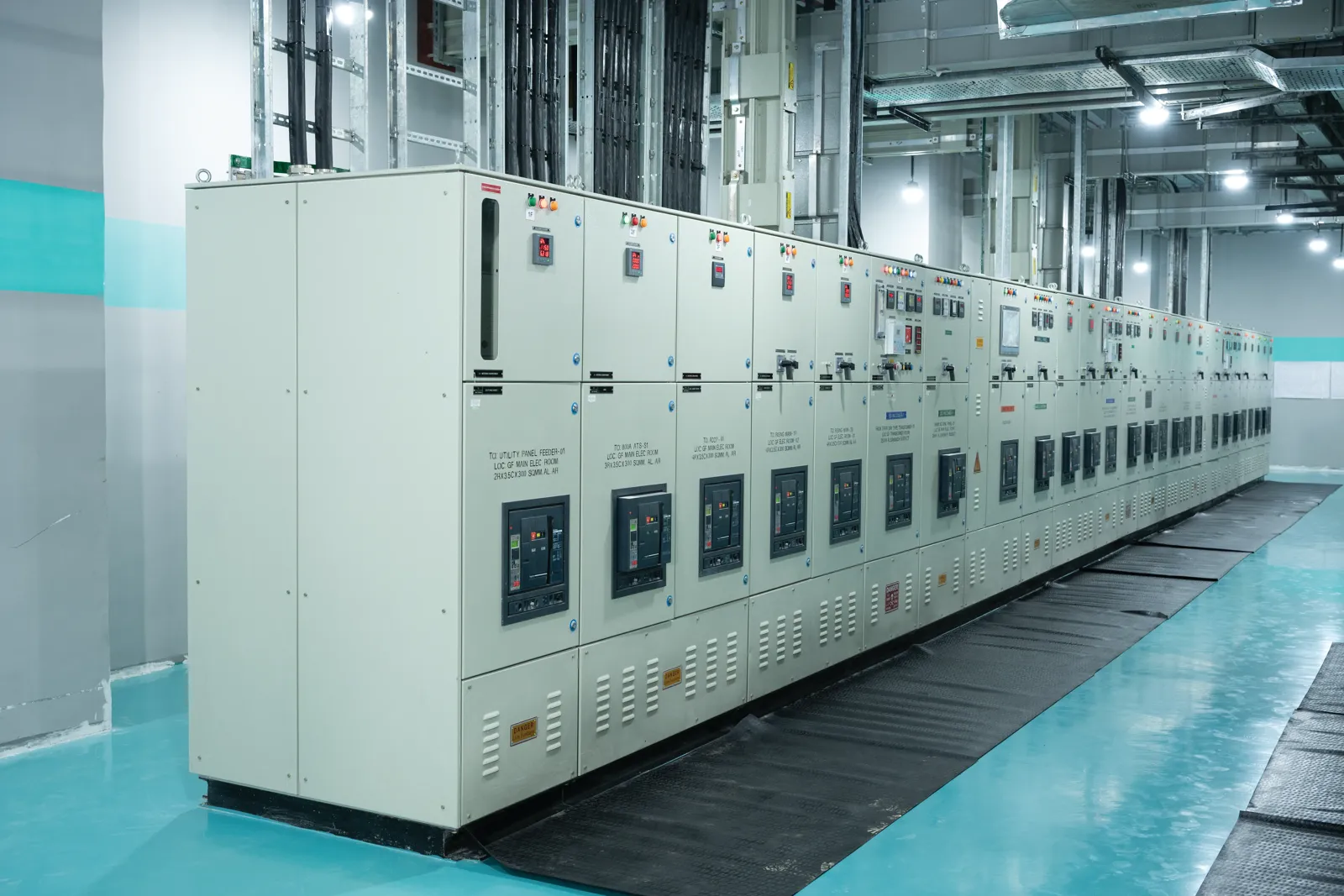
Manufacturing, testing and quality
Elins manufactures and verifies the specified assemblies through controlled fabrication, assembly, inspection and testing. For metros, review the applicable test plan, product-standard scope and configuration-specific evidence before acceptance.
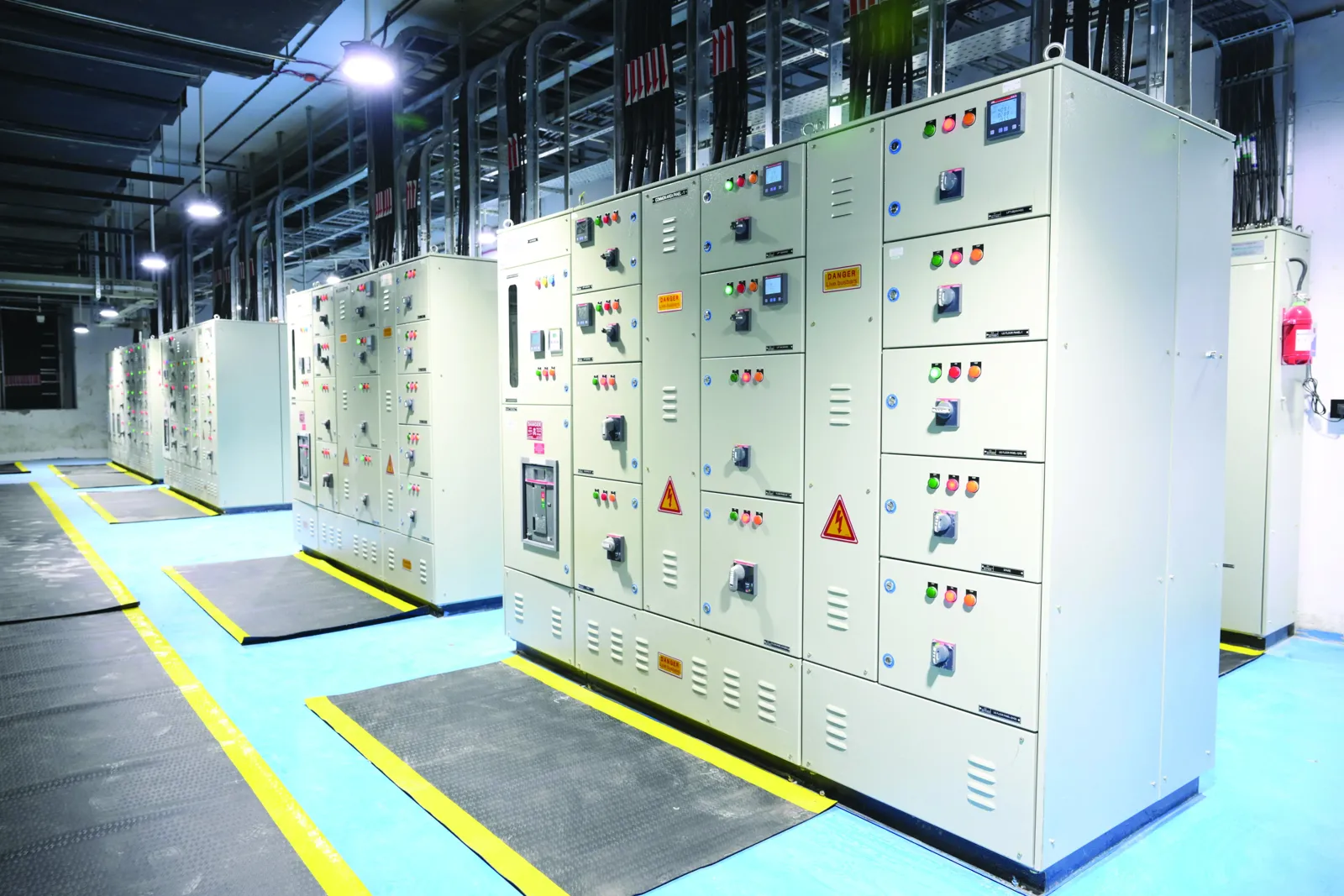
Relevant ESPL deliveries
Ask for approved project examples involving station and depot distribution, operational safety and maintainable equipment access. Share the required project type and location so Elins can provide references and scope details that are cleared for disclosure.
Frequently asked questions
How do station and depot requirements differ?
Define each site’s load, environment, access, control and continuity needs separately, then coordinate them within the approved network design.
What helps maintenance teams work safely?
Clear segregation, equipment identification, controlled access, drawings and approved isolation procedures support planned maintenance.
Let's work together